What Actually Changes When Strategy Meets Execution
Case studies usually read like highlight reels. More fun (and more useful) is looking at the actual gap between where a brand started and where a clear strategy took it. Four real accounts, four real glow-ups.
2 min read
ReCircleFrom raddi-wala to circular economy heavyweight
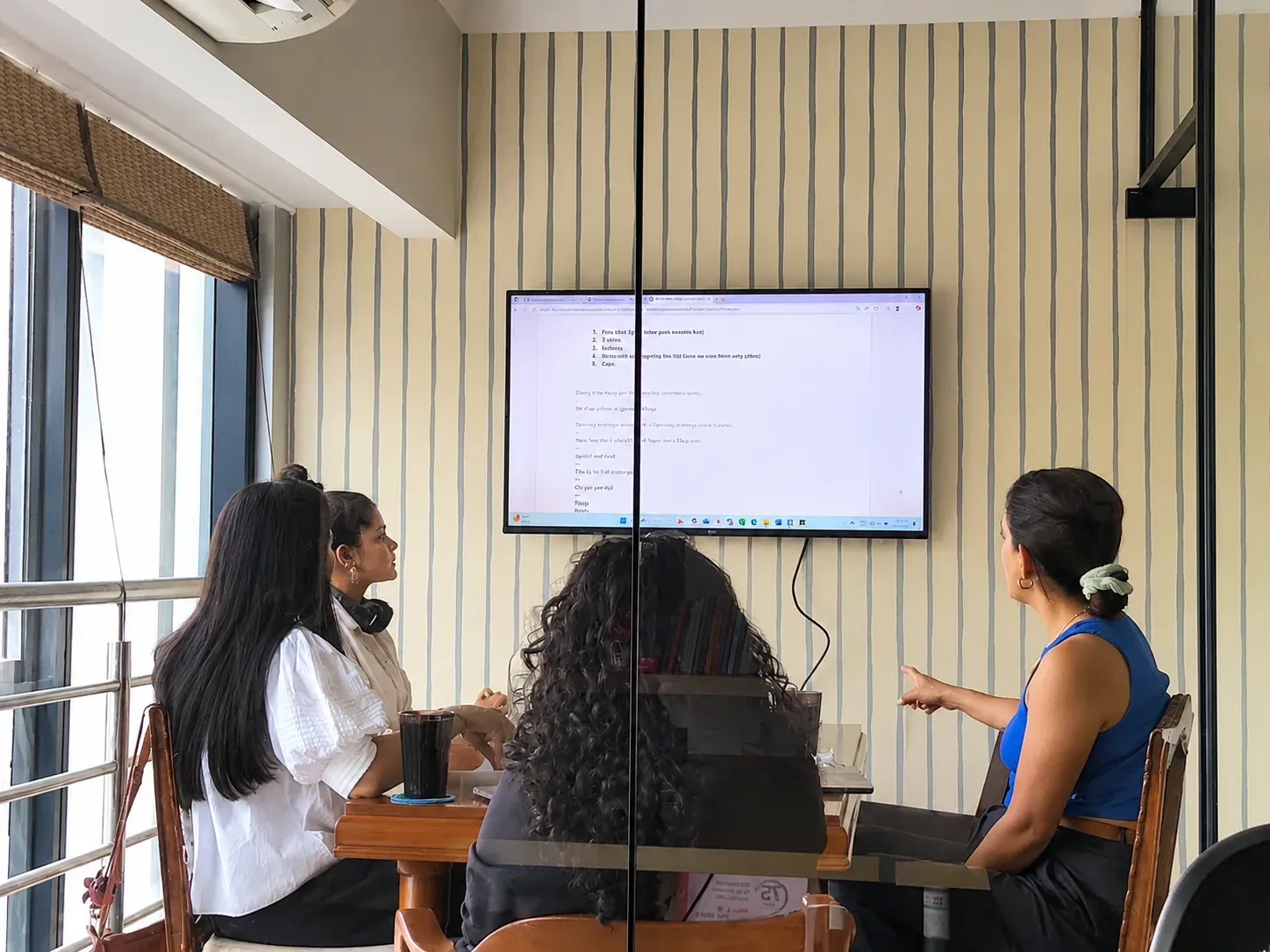
ReCircle started as Raddi Connect, a neighbourhood scrap collector people rang up on WhatsApp. The business had already grown into plastics traceability, credits, and large-scale collection campaigns, the brand just hadn't gotten the memo. The fix was a full rename and repositioning, shifting the story from "we pick up your waste" to "we design circular systems for your materials."
The payoff: valuation grew from roughly 6 crore to 35 crore over four years, and the Diwali Dry Waste Drive went from 5,000 kg to 20,000 kg collected in a single festive campaign, reaching 3,000 plus households. The business was always more than scrap collection. The new brand finally said so, and investors and enterprise partners responded.
IshaaraKeeping the soul while scaling the brand
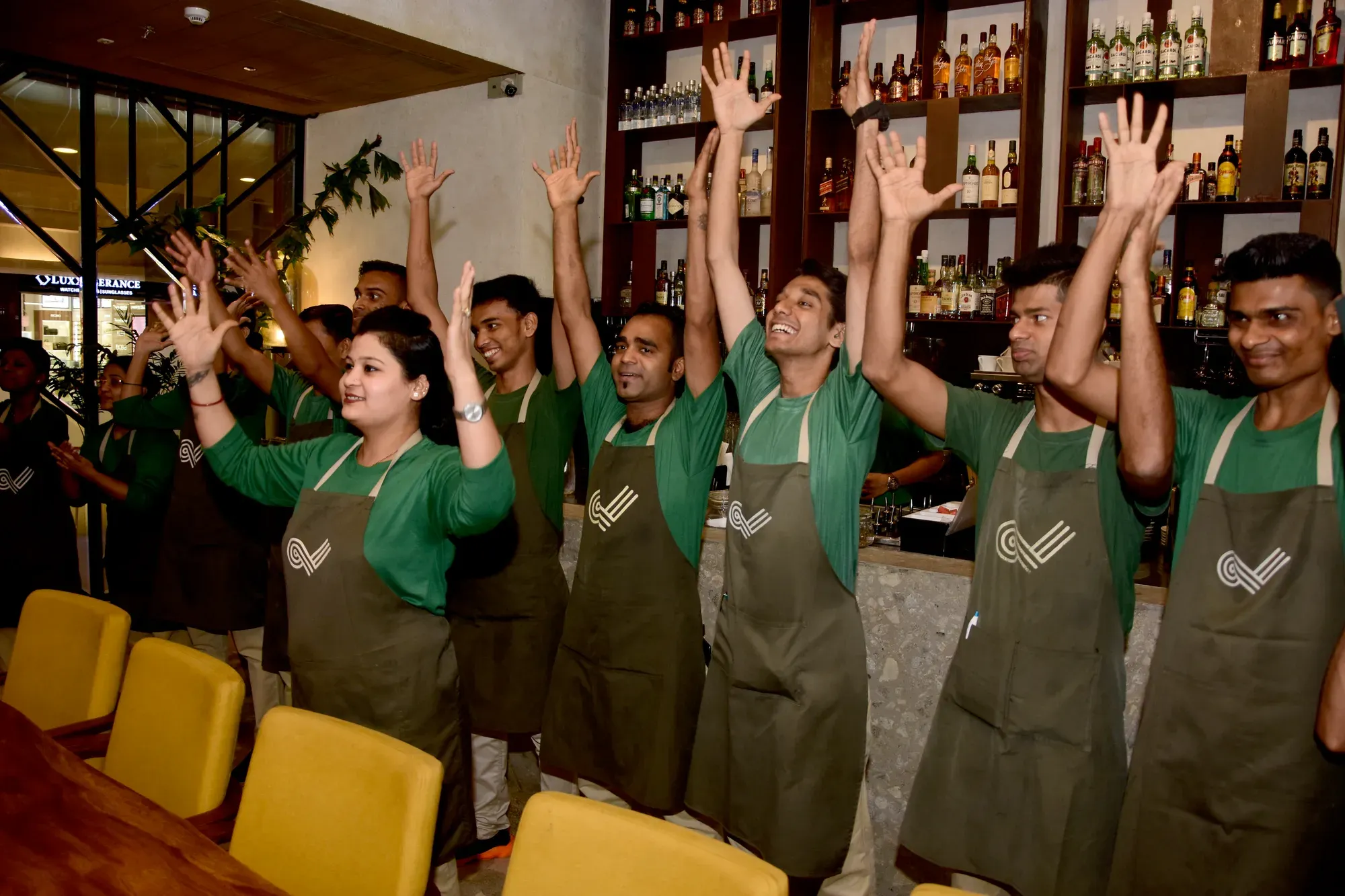
Ishaara already had the hard part, a genuine mission and a sign-language-led service model that made it unforgettable. What it needed was a system to make every seasonal moment feel like an event, not just a menu update.
Every seasonal drop got treated like its own mini brand. Chaat Party, anchored by an XL Chaat Board, became the single highest-earning seasonal campaign at 6.32 lakh in sales. A Khasi cuisine collab with Symbai pulled in 1.6 million in PR reach across major press. Summer in a Plate with Baagh Gin crossed 5.7 lakh media impressions. That's what happens when a restaurant treats its menu calendar like a content calendar.
Small BatchFrom sauce to system
Small Batch had a genuinely great product and, honestly, not much else. No brand architecture, no retail shelf space, no team, just a founder holding it together on charm.
The fix was building the system around the sauce. A 30% year on year growth framework, 8 plus premium retail partners including Urban Platter and Society Stores, and an event IP, the Condiment Bar, that grew from 60 attendees at its debut to 75 plus at its second edition. One single campaign, Hotpot Hotspot Edition 2, pulled 79,000 plus in reach. Great product got them noticed. The system is what got them onto shelves.
Little Food CoA 14 year old brand finally looking the part
Little Food Co had spent fourteen years earning real trust and a loyal following. The catch was that all the personality lived in the food, none of it lived in the brand. New clients had no way to see what regulars already knew.
Instead of reinventing, the approach was sharpening, one central idea (the communal table) running through everything from the logo to the WhatsApp tone. Four new food IPs followed, including the now-beloved Pocket Dosa, launched at the brand's 15th anniversary. The result was meaningful year on year revenue growth and a brand that finally tastes as good as it looks.
Four different businesses, one repeating plot twist. A great product or a great mission on its own never moves the needle by itself. What moves it is a brand story built on purpose, backed by a system that can actually carry the weight. That's the whole game.
More from the blog
View all
A Founder's Practical Guide to Building a Brand Without Getting Lost in Theory
If you've searched "how to build a brand" you've read a dozen articles that all say the same three things and none of them tell you what to do on Monday morning. This one's different. Fewer TED talk vibes, more actual steps.
Read
Business Frameworks Are Useless Until You Apply Them
Every founder has seen PESTEL, Porter's Five Forces, BCG Matrix, TOWS, Ansoff, GTM plans. They're taught in every business school and quoted in every consultant's deck. And almost nobody uses them right.
Read